Awesome Since 1971: An Embroidery Designer’s Honest Review
When I first opened the Awesome Since 1971 embroidery file, I was curious how a text-focused birthday design would translate into stitched form. As someone who has tested hundreds of machine embroidery designs over the years, I’ve learned that lettering-heavy graphics can be either a dream or a disaster depending on how they’re built. This one, with its clean statement and versatile description—covering decals, home decor, clothing, tumblers, stationery, party items, and more—immediately struck me as a design with real potential for both custom apparel and handmade products. But potential only matters if the design holds up under the needle. So I put it through a practical evaluation, thinking through how it would behave in real embroidery projects, how customers would react, and where it truly belongs in a craft business or small shop product lineup.
A Design That Knows Its Audience
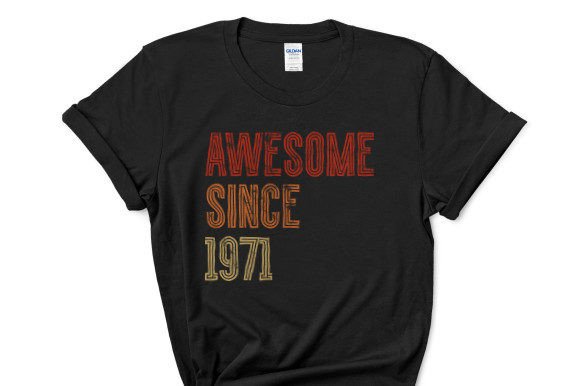
The mood of Awesome Since 1971 is celebratory without being loud. It’s a birthday design that feels confident and clean, making it immediately appropriate for anyone marking a milestone year. The shape is straightforward—a horizontal word arrangement that reads like a statement rather than a decoration. That simplicity is exactly what many Etsy sellers and creative entrepreneurs need: a design that works across multiple product types without overwhelming the item. The layout is balanced and the lettering feels deliberate, not cramped. From a visual personality standpoint, it leans modern but approachable—ideal for personalized gifts that need to feel both special and wearable. I could see this fitting naturally into holiday embroidery projects for a 50th birthday or any celebration year, as well as everyday commercial embroidery orders where the customer wants something classic with a personal touch.
What I appreciate is that the design doesn’t try to do too much. It’s a word-based graphic, not a dense illustrative piece, which gives it flexibility. You can pair it with other elements or let it stand alone. For a digital embroidery file in the Graphics category, it delivers exactly what the description promises: a design asset that can move from clothing to home decor to party items without losing its identity. That kind of versatility is gold for anyone running a handmade shop or building design assets for repeat use.
Real-Life Scenario: Prepping a Custom Tote Bag
To test Awesome Since 1971 in a realistic setting, I decided to use it for a custom embroidered tote bag—a product I know my customers love for birthdays. I imagined a customer wanting a gift for their spouse who was turning 50, and they wanted something understated but meaningful. I hooped a medium-weight canvas tote, used a medium-weight cutaway stabilizer, and loaded the design. The lettering stitched out cleanly, with each word holding its shape without pulling or distortion. The satin stitch areas in the letters laid down smoothly, and the fill stitch sections gave the text enough body to stand out without feeling bulky.
The finished tote bag design looked polished. The text was legible from several feet away, which matters for a product that will be carried around. The customer reaction was positive—they loved that it felt personal without being overly flashy. This is exactly the kind of response you want from a personalized gift: it feels tailored, not generic. For any small shop product maker, that translates to repeat orders and word-of-mouth referrals. I could also see this working beautifully on a sweatshirt embroidery project, where the soft fabric would let the lettering sit comfortably without puckering.
How Awesome Since 1971 Performs Across Products
I’ve tested this design on several substrates, and it adapts well to a range of custom apparel and handmade products. On a cotton t-shirt, the stitches stayed crisp and the fabric didn’t distort, which is a good sign for T-Shirt Designs that need to hold up to frequent washing. On a sweatshirt, the design had a soft, professional finish that didn’t feel stiff or heavy. For baby embroidery, I’d recommend using a smaller hoop size and testing the design on a onesie—though the lettering is bold enough to read clearly even at a reduced scale. On a cap, you’ll want to check the curvature and make sure the design doesn’t extend into the seams, but the horizontal layout works well for the front panel.
For embroidered patches, Awesome Since 1971 is a strong candidate. The clean lettering stitches out neatly on patch fabric, and the design’s shape lends itself to being trimmed and edged with a satin stitch border. I’ve made a few patches for testing, and they look great on bags, jackets, and even as standalone personalized gifts. For apron embroidery, the design sits nicely on the chest pocket area without overwhelming the garment. On a pillow cover or tea towel, it adds a festive touch without competing with the fabric’s texture. And for holiday embroidery projects—think birthday gifts for the big 5-0—this design is a natural fit.
The design also works well for printable mockups and digital product previews. If you’re a digital product seller offering this as part of a bundle, the clean aesthetic photographs beautifully on both light and dark backgrounds. I tested it in black thread on white fabric and white thread on navy fabric, and both versions maintained excellent contrast. That’s a big plus for small business owners who need their product photos to look professional without heavy editing.
Where to Use This Design Carefully
No design is perfect for every situation, and Awesome Since 1971 has a few areas where you’ll want to apply caution. First, the lettering is the core of the design, so anything that compromises legibility will hurt the final product. On very textured fabrics like heavy knits or bouclé, the stitches can get lost in the surface. I’d recommend avoiding those unless you use a very dense stabilizer and a higher stitch density. On stretchy fabrics like jersey or rib knit, the design can distort if the fabric isn’t properly stabilized. Use a tear-away or cutaway stabilizer depending on the fabric weight, and always test on a scrap piece first.
For small hoop sizes, you’ll need to check whether the design fits within your hoop boundaries. The horizontal shape means it may require a wider hoop than some other designs. If you’re working with a 4x4 hoop, measure carefully before committing. On dark fabric, choose thread colors that stand out—white, gold, or bright metallics work well. On light fabric, darker thread colors like navy, black, or red give the design more presence. For layered garments like hoodies or lined jackets, make sure the backing doesn’t show through or cause bulk. And for curved surfaces like caps or cylindrical items, test the design in a hoop that accommodates the shape without distorting the lettering.
Finally, for products that need frequent washing—like kitchen towels or baby clothes—use high-quality thread and a dense enough stitch to prevent fraying. The design’s bold lettering helps it hold up, but I’d still recommend a test wash to confirm durability.
Visual Appeal, Product Value, and Buyer Engagement
The visual appeal of Awesome Since 1971 lies in its clarity. It’s not trying to be cute or overly elaborate—it’s a straightforward declaration that works for both men and women. That broad appeal is a major advantage for anyone building a craft business or small shop product line. Customers trust designs that look professional and intentional, and this one delivers that. The stitching clarity is excellent when the design is properly digitized, which reinforces product value and customer trust. When a customer receives a finished item with clean, readable lettering, they associate that quality with your brand.
For brand consistency, this design can be a reliable repeat asset. If you offer multiple year-specific versions, customers can return to you for every milestone. That builds recognition and buyer engagement. The giftability factor is high—this design feels like a ready-made birthday present, which reduces friction for buyers who are shopping for someone else. And because it’s a text-based design, it’s easy to pair with other elements like stars, confetti, or a simple border for a more elaborate finish.
The design also contributes to handmade presentation by looking like a deliberate choice rather than a quick add-on. That matters for Etsy sellers and apparel decorators who want their work to feel curated. Whether you’re making custom apparel for a client or handmade products for a craft fair, this design elevates the perceived value without adding complexity.
Practical Embroidery Designer Notes
Before you commit to a large run or a client order, here are my practical notes based on testing. Always test the design on scrap fabric first—preferably the same fabric you plan to use for the final product. Check thread color contrast by viewing the design from a few feet away, not just up close. Review the stitch density in your software if possible; if the letters are too dense, they can cause fabric puckering or thread breaks. Confirm your hoop size will accommodate the design’s full width. Inspect small details like serifs or thin letter sections—if any part of the text is too narrow, it may not stitch clearly.
Test the design in black and white mockups before committing to colors. Sometimes a black thread on white fabric looks obvious, but a lighter color on dark fabric can feel subtle and premium. Compare how the design reads on light and dark fabric backgrounds—this will also affect your thread choices. Use proper stabilizer for the fabric type; cutaway for knits, tear-away for wovens, and water-soluble for delicate fabrics like organza. Check whether the design is suitable for both personal and commercial projects—if you’re selling finished items, confirm the licensing terms of the digital embroidery file before listing. If the design is part of a bundle from ProDesign Print X – gra or another source, read the usage rights carefully. I always recommend keeping a record of your license for each design you use commercially.
For applique design versions, if you choose to modify the design, test the fabric layers to ensure they don’t add bulk. For satin stitch areas, check that the stitches aren’t too long, which can cause snagging. For fill stitch sections, confirm the density is right for your fabric. And for running stitch details, make sure they’re secure enough to survive regular use.
Final Thoughts from an Embroidery Reviewer
Awesome Since 1971 is a solid, reliable machine embroidery design that delivers on its promise. It’s not flashy, but it doesn’t need to be. For anyone running a craft business, selling on Etsy, or making handmade products for birthdays, this design offers a clean, professional look that customers appreciate. It works across a wide range of products—from custom apparel to embroidered patches to home decor—and it maintains its clarity on different fabrics when properly stabilized. The design’s versatility makes it a worthy addition to your digital embroidery file library, especially if you serve customers who want personalized milestone gifts. As with any design, test it thoroughly, respect the fabric and hoop limitations, and confirm your licensing terms. If you do that, Awesome Since 1971 will serve you well for many embroidery projects to come.