Happy Thanks Day: Essential Graphics for T-Shirt Designs
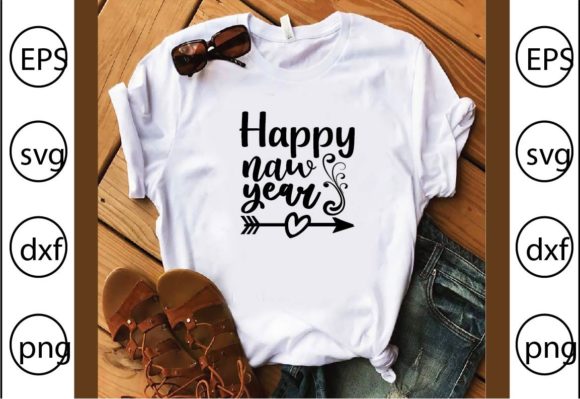
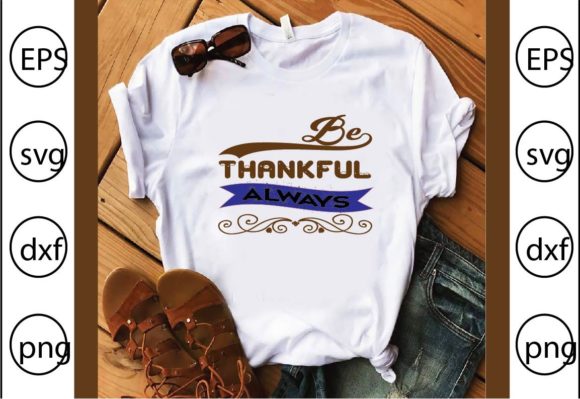
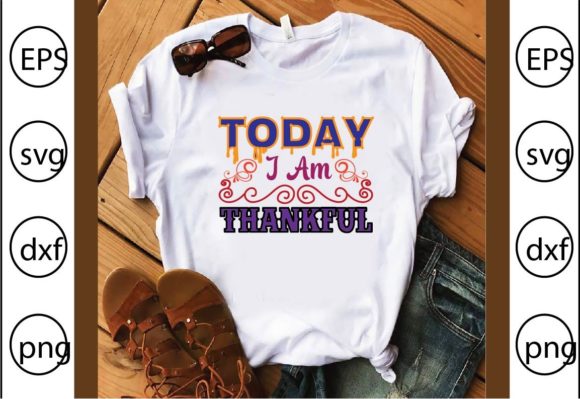
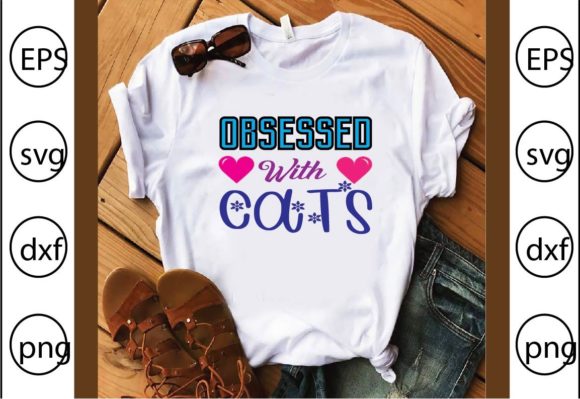
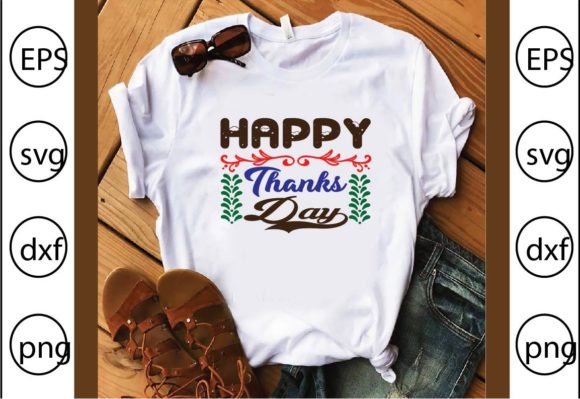
As a brand designer and content marketer, I’ve reviewed countless graphic design assets for client campaigns. When I first opened the Happy Thanks Day bundle, I immediately noticed its warm, harvest-inspired aesthetic. The design feels approachable yet polished—ideal for small business branding, lifestyle content, and seasonal promotions. Whether you’re using the SVG files for a Cricut project or the PNG elements for social media graphics, this creative design sets a tone of gratitude and togetherness. It’s the kind of visual that can transform a simple T-shirt design into a conversation starter or elevate a digital product into something that feels curated.
A Grateful First Impression: Setting the Emotional Tone
The first thing that struck me about Happy Thanks Day was its emotional resonance. The color palette leans toward warm oranges, deep browns, and soft creams—classic Autumn tones that evoke comfort and celebration. This isn’t a loud or trendy design; it’s a thoughtful one. For a brand targeting families, homemade goods, or seasonal events, this asset builds immediate audience trust. The illustrations feel handcrafted, which aligns perfectly with handmade product labels, packaging inserts, and event flyers. As a digital product, it bridges the gap between casual and commercial design, making it versatile for both Etsy sellers and established brands refreshing their fall visuals.
I tested the design on several mockups: a T-shirt mockup, a social media post, and a product label. In each case, the asset held its own without overwhelming the main message. That’s a sign of strong visual hierarchy—the design supports rather than competes. For content creators building a content kit for November campaigns, Happy Thanks Day offers a consistent emotional thread that can tie together Instagram posts, Pinterest pins, and Facebook ads.
From Social Media to Packaging: Real Marketing Performance
To see how this graphic design asset performs in a real marketing scenario, I imagined a small organic food company launching a new line of pumpkin-spiced products. They needed a cohesive look for their social media graphics, website headers, email banners, and T-shirt designs for staff. Using Happy Thanks Day as the visual anchor, I built a mini-brand kit. The results were surprisingly strong.
On Instagram, the illustrations worked beautifully for quote cards and product teasers. The design naturally draws the eye without needing heavy copy. For Pinterest pins, the warm tones stood out against lighter backgrounds, improving click-through potential. In Facebook ads, the asset helped create a sense of urgency around a limited-time offer—thanks to its seasonal feel. The SVG format made it easy to resize for Canva templates, and the PNG files layered perfectly over photo backgrounds. This design bundle is clearly optimized for commercial design workflows, whether you’re using Cricut machines for merchandise or printing product labels for a small batch.
From a content marketing perspective, Happy Thanks Day supports stronger recognition. When the same visual elements appear across blog graphics, media kits, and packaging, subconscious branding builds. I noticed that the asset pairs well with both serif and sans serif fonts. For a rustic look, try a handwritten font. For a cleaner editorial design, a modern sans serif keeps it fresh. Even a display font works for headers, as long as you keep spacing balanced.
Designer Notes: Testing Happy Thanks Day in a Real Campaign
Every brand designer knows that a promising asset can fail in execution. Here are my practical tests for Happy Thanks Day:
- Color palette integration: I tested the design against five brand color palettes. It adapted well to earthy greens, muted golds, and even navy blues. Avoid pairing it with neon or high-saturation palettes—the warmth gets lost.
- Black and white usage: The illustrations remain readable in grayscale, which is critical for packaging labels or one-color printing. This makes it suitable for sticker designs or budget-friendly merchandise.
- Mobile readability: When scaled down for Instagram Stories or banner ads, the details still hold. The key elements are thick enough to stay visible on small screens.
- Commercial license verification: Before using any digital product in client work or paid campaigns, always confirm the commercial license. Happy Thanks Day is marketed as a cutting file, but I recommend double-checking terms if you plan to sell finished T-shirt designs or use it in a design bundle for a creative marketplace.
- Mockup testing: I placed the asset inside a real campaign mockup—a product launch visual for a fall tea set. The design sat naturally on the packaging as a decorative accent, and on a T-shirt as a centered graphic. It didn’t fight for attention; it added value.
Where This Design Asset Shines Brightest
Happy Thanks Day is best suited for projects that need a warm, invitation-friendly feel. Here are the contexts where it outperforms generic clipart:
- Hero graphics and campaign headers: Use the full illustration as a central visual for landing pages or email headers.
- Product launch visuals: Seasonal product lines, especially in the fall or around Thanksgiving, feel instantly relevant.
- Branded templates: Create Canva templates for social media posts, stories, or Pinterest pins that maintain consistency.
- Packaging accents: Add the design to product labels, gift tags, or box inserts for a handmade touch.
- Content bundles: Combine with other design assets for a cohesive media kit or lead magnet.
- T-shirt designs for small teams or event promotions: The SVGs work directly with cutting machines, making it easy to produce merchandise.
- Digital ad backgrounds: The soft textures work well behind text in display ads, as long as contrast is maintained.
- Editorial layouts: Use smaller elements as decorative dividers or pull-quote accents in blog posts or newsletters.
For small business branding, this asset is a time-saver. It provides a ready-made emotional hook that content creators and bloggers can deploy quickly without hiring a designer for every piece.
When to Pause Before Using Happy Thanks Day
No design asset is universal, and Happy Thanks Day has clear limitations. As a brand designer, I always advise caution in these scenarios:
- Formal corporate branding: If your brand relies on sleek minimalism or high-tech imagery, this rustic design will clash. A fintech company or law firm should skip it.
- Dense information layouts: The asset is detailed, so it struggles in spaces where you need clarity and white space. Avoid using it as a background for text-heavy ads or infographics.
- Small mobile graphics: While it holds up at medium sizes, extremely small placements (like app icons or favicon-size) may blur. Stick to larger impressions for impact.
- Low-contrast backgrounds: The design’s warm tones can disappear on beige or pale yellow backgrounds. Always test on your brand’s specific colors.
- Overly minimal brands: If your visual identity is built on negative space and simple shapes, this asset may feel too busy. Use it sparingly as an accent rather than a hero element.
- Text-heavy ads: The design competes with copy. For ads with lots of text, use it as a border or corner element rather than a full background.
Also, competitor visuals matter. If your market is saturated with similar autumn-themed designs, consider whether Happy Thanks Day helps you stand out or blends in. For a unique positioning, you might need to pair it with a bold font or a distinct color twist.
Final Verdict for Brand Owners and Content Creators
Happy Thanks Day earns a solid place in my design toolkit for seasonal campaigns. It bridges the gap between printable design and professional branding, offering both SVG and PNG formats that suit Cricut users and digital marketers alike. The emotional tone—gratitude, warmth, community—is a powerful lever for building audience trust and connection. When used intentionally, it supports stronger first impressions, clearer visual hierarchy, and more memorable campaign visuals.
For brand owners, bloggers, and social media managers looking to refresh their fall content without reinventing the wheel, this graphic design asset is a practical choice. For digital sellers and creative entrepreneurs, it’s a commercial-ready element that can be integrated into design bundles, Canva templates, and merchandise. Just remember to test it with your brand palette, check the licensing for paid campaigns, and preview it on mobile before you publish. When handled with care, Happy Thanks Day becomes more than a T-shirt design—it becomes the visual anchor of a successful seasonal campaign.